Harpsichord Bluework
A Timeless Embroidery Design for Personalized Gifts
As an experienced embroidery designer, I recently had the opportunity to test Harpsichord Bluework for a personalized gift shop. The design immediately caught my eye with its elegant and detailed composition. It’s a perfect blend of classic music-inspired imagery and modern embroidery techniques, making it ideal for a wide range of custom products.
The First Impression: Elegance Meets Craftsmanship
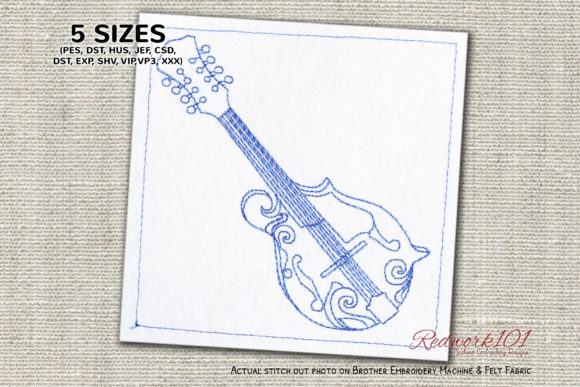
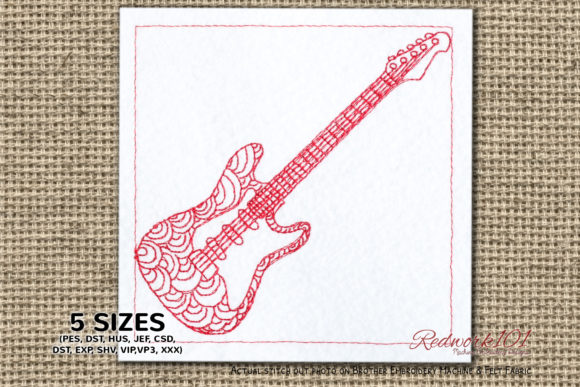
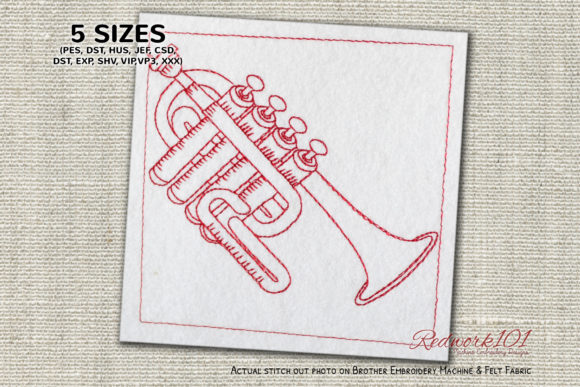
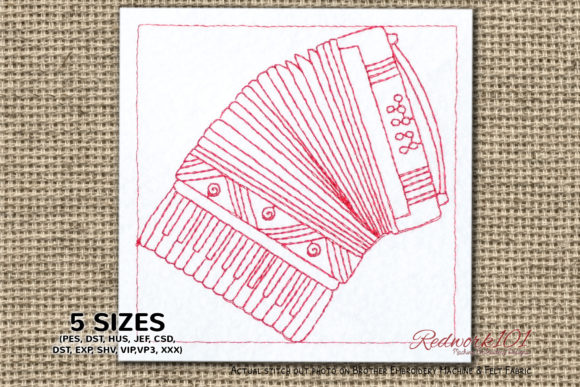
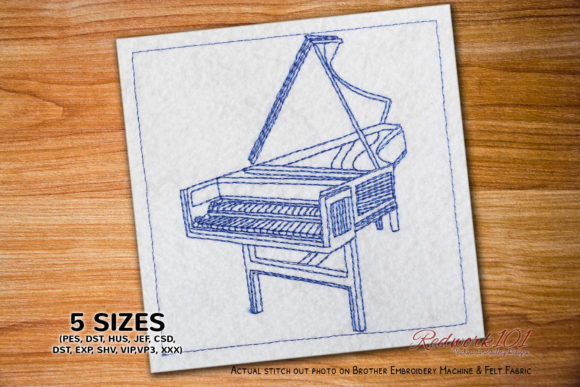
Harpsichord Bluework exudes a sense of sophistication and warmth. The harpsichord itself is rendered with intricate detail, capturing the essence of a musical instrument that has been a staple in classical music for centuries. The color palette is soft yet striking, with a focus on blues and whites that evoke a sense of calm and artistic refinement. The optional box stitch adds a subtle texture, enhancing the overall depth without overwhelming the design.
This design feels handmade and personal, which is crucial for any personalized gift. Whether used on a baby blanket or a wedding keepsake, Harpsichord Bluework brings a touch of elegance that resonates emotionally with customers seeking meaningful items.
Perfect for a Variety of Personalized Products
Harpsichord Bluework is incredibly versatile. It can be applied to a wide array of personalized gift items such as:
- Baby embroidery: Ideal for nursery items like pillow covers, blankets, and aprons.
- Wedding gifts: A beautiful addition to custom tote bags, embroidered towels, or table runners.
- Family keepsakes: Perfect for embroidered towels, kitchen linens, or custom mugs.
- Nursery decor: Adds a classic touch to wall hangings or decorative pillows.
- Etsy listings: Great for small shop products that emphasize handmade quality and unique design.
- Custom order previews: Offers a professional look for digital embroidery files and printable mockups.
Its timeless appeal makes it suitable for both handmade product and commercial embroidery, appealing to Etsy sellers, crafters, and small business owners alike.
Where to Use Carefully: Fabric and Product Considerations
While Harpsichord Bluework is stunning, there are a few areas where it should be used with care:
- Small lettering: Ensure the design is scaled appropriately for smaller items like baby clothes or aprons.
- Delicate details: The harpsichord's intricate parts may not show well on thick or textured fabrics.
- Textured fabric: Avoid using it on fabrics with high texture, as this can obscure fine embroidery lines.
- Dark fabric: Test the design on dark materials first to ensure thread colors stand out clearly.
- Products requiring frequent washing: Confirm that the design will hold up over time, especially on items like towels and napkins.
Always consider the stitch density and hoop size when preparing your embroidery file. These factors directly impact the final appearance and durability of the finished product.
Enhancing Giftability and Perceived Value
Harpsichord Bluework significantly enhances the giftability of any item it adorns. Its refined design and attention to detail create a strong emotional connection with the customer, making the product feel more valuable and personal.
When paired with a well-photographed finished product, the design can elevate the perceived value of your handmade product. This is especially important for digital embroidery files and printable mockups that are sold online.
Additionally, the design fosters customer trust by showcasing the quality of your work. It’s a great way to build brand identity and encourage repeat purchases from satisfied customers.
Practical Embroidery Tips for Success
To ensure the best results with Harpsichord Bluework, follow these practical tips:
- Test on scrap fabric: Always do a trial run before applying the design to your final product.
- Check thread color contrast: Ensure the chosen thread colors provide sufficient visibility against the fabric background.
- Confirm hoop size: Choose the right hoop to maintain proper tension and stitch quality.
- Review stitch density: Adjust settings to ensure the design looks clean and crisp.
- Use proper stabilizer: Especially important for stretchy fabrics or delicate materials.
- Compare light and dark fabric mockups: This helps identify any potential issues before production.
- Check small details after stitching: Ensure all elements of the design are clear and well-defined.
- Confirm commercial licensing: Always verify that you have the rights to use the design for resale.
By following these steps, you can maximize the potential of Harpsichord Bluework and deliver exceptional custom embroidery to your customers.